1 N Main Street, Suite A, Algonquin, IL 60102

What You Do Right After Your Cleaning Actually Matters Most

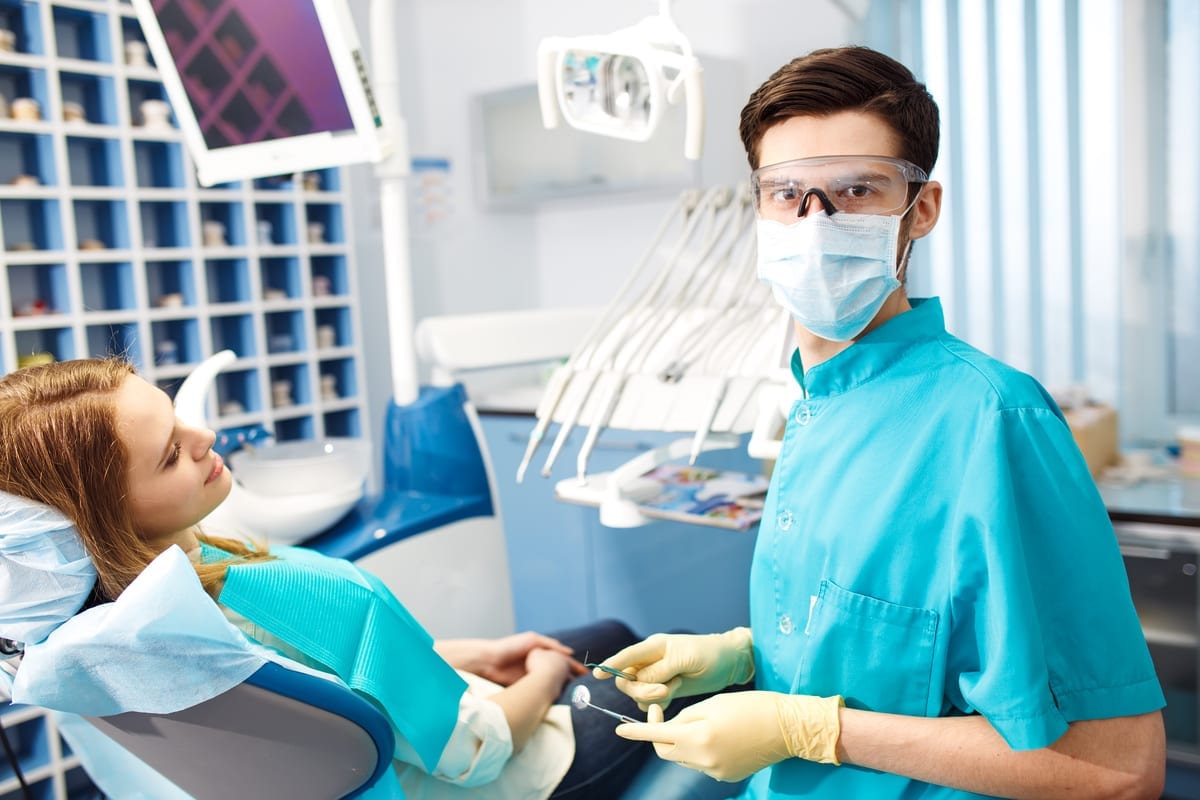
Most people think the hard work ends when they leave the dental chair. But what you do right after your cleaning actually matters most in Lake in the Hills — and in the hours that follow. Your teeth are freshly polished, your gums are refreshed, and your enamel is temporarily more vulnerable than usual. The choices you make in those first few hours can either protect your results or undo them quickly.
At Root Dental in Algonquin, IL, Dr. Maggie Grothe sees this often. Patients put in the effort to come in for their cleaning, then unknowingly sabotage the results at home. This guide will help you avoid that and get the most out of every visit.
Why the Hours After a Cleaning Are So Critical in Lake in the Hills
During a professional cleaning, your hygienist removes plaque, tartar, and surface stains from your teeth. The process also slightly opens the tiny pores in your enamel. This makes your teeth more receptive to good things — like fluoride treatments — but also more vulnerable to staining and sensitivity.
Your gums may also feel slightly tender after a thorough cleaning. This is completely normal. But it does mean your tissues need a little extra care right away. Ignoring this window is a missed opportunity.
Understanding this short recovery period helps you actively protect your smile. It only takes a few simple steps to make a real difference.
Foods and Drinks to Avoid Right After Your Cleaning
Your enamel pores are temporarily more open after polishing. Highly pigmented foods and drinks can seep in and cause staining faster than usual. This is especially important if you care about the brightness of your smile.
Avoid these items for at least 24 to 48 hours after your appointment:
- Coffee and dark tea
- Red wine and dark juices
- Tomato-based sauces and curries
- Berries and dark fruits
- Soy sauce and balsamic vinegar
- Tobacco and smoking products
Acidic foods and drinks also matter here. Citrus fruits, sodas, and vinegar-based foods can irritate already sensitive gum tissue. Stick to light-colored, non-acidic options for the first day. Think chicken, rice, dairy, and plain water.
If you are interested in a brighter smile beyond just avoiding stains, Cosmetic Dentistry Lake in the Hills options at Root Dental can help you build on the fresh start your cleaning provides.
What You Should Do Right After Your Cleaning
Aftercare is not just about avoiding things — it is also about doing the right things. These positive steps help lock in the benefits of your cleaning and keep your mouth in great shape until your next visit.
Here is what Dr. Grothe recommends doing after your appointment:
- Drink plenty of water. Water rinses away debris and keeps your mouth hydrated and clean.
- Wait 30 minutes before eating. This lets any fluoride treatment fully absorb into your enamel.
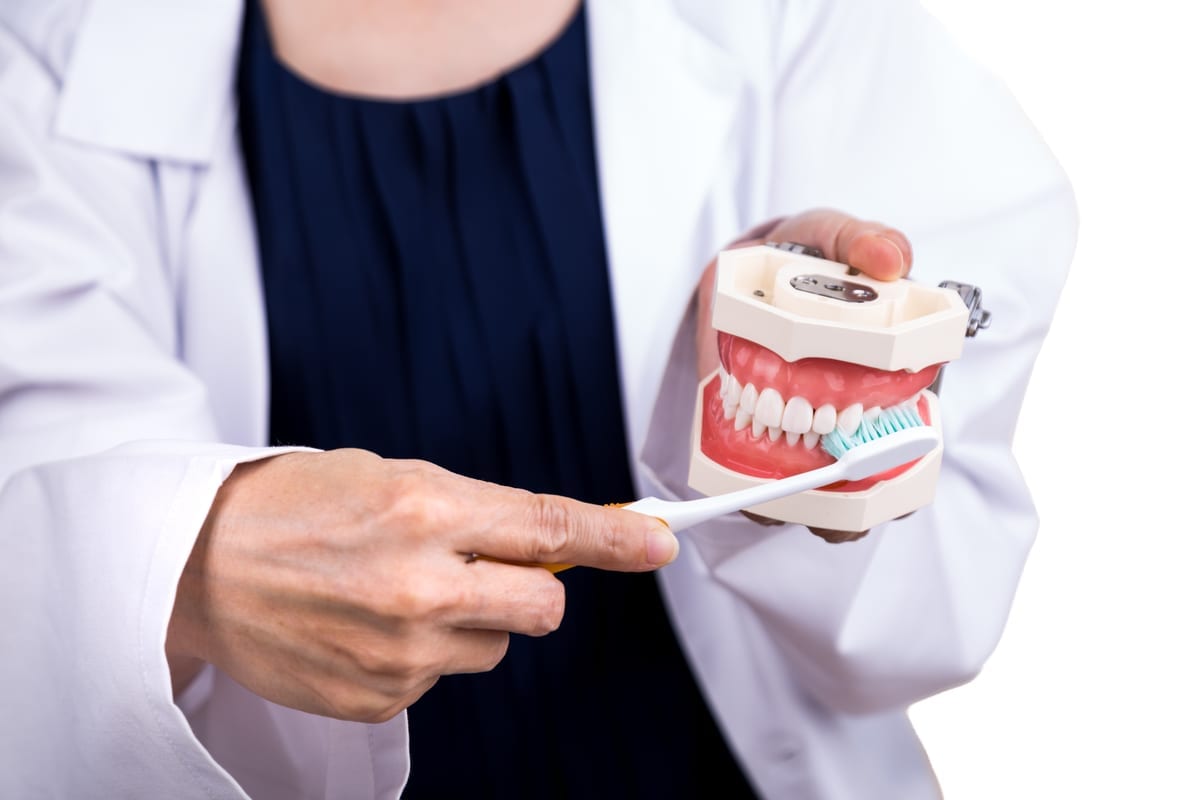
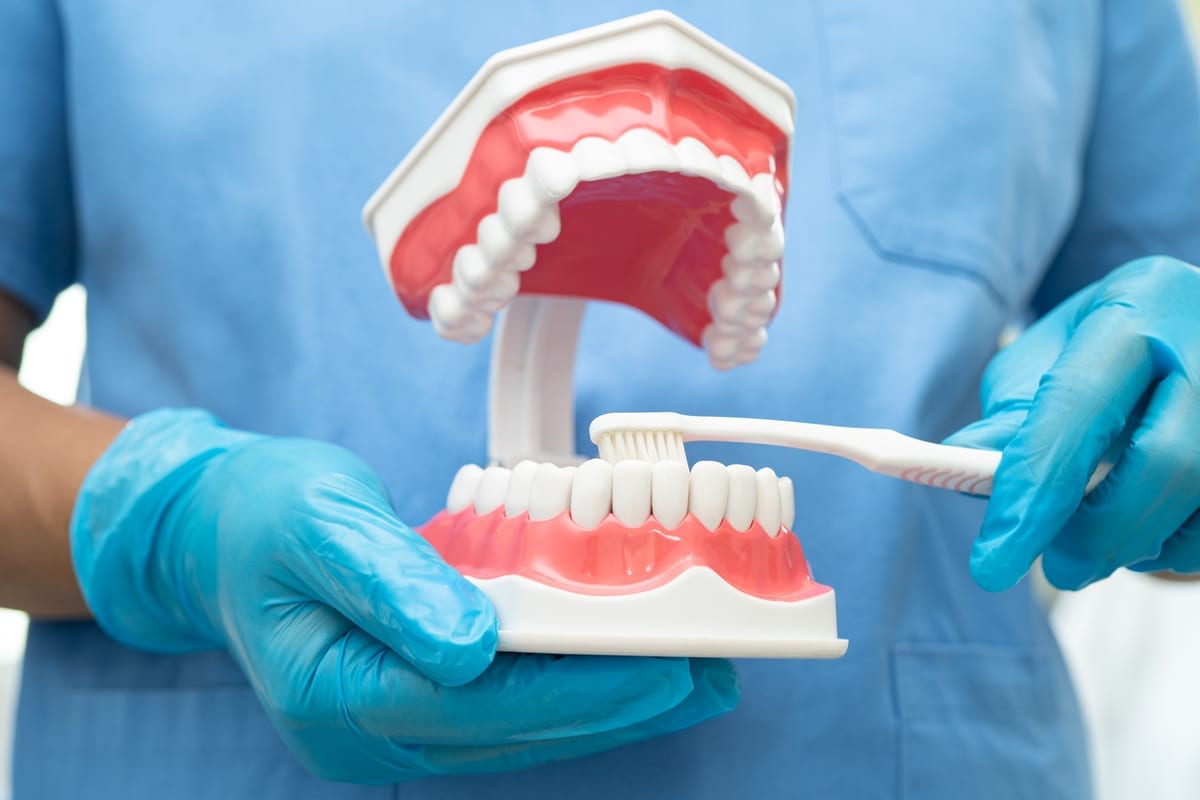
- Brush gently that evening. Use a soft-bristle brush and gentle pressure to avoid irritating tender gums.
- Floss before bed. Your teeth are clean — help them stay that way overnight.
- Use a fluoride rinse if recommended. Your hygienist may suggest this to strengthen enamel after your visit.
These steps take only minutes but deliver lasting results. Think of them as the final phase of your cleaning appointment — not a separate task.
How Aftercare Connects to Your Long-Term Smile Goals
A professional cleaning is a foundation, not a finish line. What you build on top of that foundation determines how healthy and bright your smile stays over time. If you are thinking about cosmetic upgrades, starting from a clean base matters a great deal.
For example, patients considering Veneers Lake in the Hills benefit enormously from keeping their natural teeth as healthy as possible first. Veneers bond best to clean, healthy enamel. Proper aftercare after every cleaning helps preserve that foundation.
Even if cosmetic treatment is not on your radar right now, consistent aftercare habits protect your investment in routine dental care. Fewer stains mean fewer whitening treatments needed. Healthier gums mean lower risk of periodontal issues down the road.
Dr. Grothe takes a long-term view of every patient’s smile. Small habits practiced consistently create major results over time.
Special Aftercare Tips for Sensitive Teeth and Gums
Some patients experience heightened sensitivity after a deeper cleaning. This is especially common after a scaling and root planing procedure or when gum disease treatment is involved. If your teeth feel sensitive to temperature, that is your enamel responding to the cleaning process.
Here are a few ways to manage sensitivity after your appointment:
- Use a toothpaste formulated for sensitive teeth for the next few days
- Avoid very hot or very cold foods and drinks for 24 to 48 hours
- Rinse with warm salt water to soothe gum tissue
- Avoid hard or crunchy foods that can aggravate tender areas
- Contact the office if sensitivity lasts more than a week
Sensitivity after a cleaning is almost always temporary. Most patients feel completely normal within 24 to 48 hours. But if discomfort lingers or worsens, do not wait — reach out to Root Dental right away.
Dr. Grothe and the team are always happy to answer questions between appointments. Your comfort matters just as much as your oral health results.
Making Every Cleaning Count in Lake in the Hills
Your professional cleaning is one of the most valuable preventive tools available to you. It removes buildup that brushing and flossing simply cannot reach on their own. But the real value comes from how you follow up at home in the hours and days after your visit.
What you do right after your cleaning actually matters most in Lake in the Hills — and now you know exactly what to do. Protect those freshly cleaned surfaces, give your gums time to recover, and set yourself up for a healthier smile between visits.
The team at Root Dental is here to support you every step of the way. Whether you have questions about aftercare, want to explore cosmetic options, or need to schedule your next cleaning, we make it easy. Book Now to schedule your appointment with our team.
Frequently Asked Questions
How long should I wait to eat after a dental cleaning?
Wait at least 30 minutes after your cleaning before eating anything. This allows fluoride treatments to fully absorb into your enamel. When you do eat, choose light, non-pigmented foods for the first 24 to 48 hours to avoid staining your freshly cleaned teeth.
Can I drink coffee after my teeth cleaning?
It is best to avoid coffee for at least 24 hours after your cleaning. Your enamel pores are temporarily more open after polishing, which makes staining easier than usual. Switching to water in the short term helps protect the brightness of your freshly cleaned smile.
Why are my teeth sensitive after a professional cleaning?
Sensitivity after a cleaning is common and usually temporary. The cleaning process removes buildup that may have been insulating your enamel from temperature changes. Using a sensitivity toothpaste and avoiding extreme temperatures for a day or two typically resolves the issue quickly.
How often should I get a professional dental cleaning?
Most patients benefit from a professional cleaning every six months. However, patients with gum disease or a history of heavy buildup may need more frequent visits. Dr. Grothe will recommend the right schedule based on your specific oral health needs.
Does aftercare really make a difference in how long my cleaning results last?
Yes — significantly. Avoiding staining foods, brushing gently, staying hydrated, and flossing right after your appointment can extend the clean feeling and protect your enamel. Consistent aftercare between visits also reduces the amount of buildup your hygienist needs to remove at your next appointment.