1 N Main Street, Suite A, Algonquin, IL 60102

Why Your Teeth Feel Sensitive During Cleaning—And What We Do About It


If you’ve ever winced during a dental cleaning, you’re not alone. Many patients in Algonquin ask us why their teeth feel sensitive during cleaning—and what we do about it to keep them comfortable. At Root Dental, Dr. Maggie Grothe and our hygiene team hear this concern every single day. Understanding the reasons behind that sensitivity can actually make your next visit feel a lot less stressful.
Why Sensitivity During Cleanings Is So Common in Algonquin Patients
Tooth sensitivity during a professional cleaning has several common causes. The most frequent reason is exposed dentin—the inner layer of your tooth that sits just beneath the enamel. When enamel wears down or gums recede slightly, dentin becomes more vulnerable to touch, temperature, and pressure.
Tartar buildup is another big factor. Hardened deposits along the gumline protect bacteria, and when our hygienist removes them, the newly exposed tooth surface can feel quite sensitive. This sensation is completely normal and typically fades within a day or two.
Gum inflammation also plays a role. If your gums are irritated or mildly swollen before your appointment, even gentle scaling can feel uncomfortable. The good news is that consistent cleanings actually reduce this inflammation over time.
- Enamel erosion from acidic foods or beverages
- Gum recession exposing sensitive root surfaces
- Tartar deposits irritating the gumline
- Existing cavities or cracked teeth
- Grinding or clenching habits that wear enamel
What Our Hygienist Does to Minimize Your Discomfort
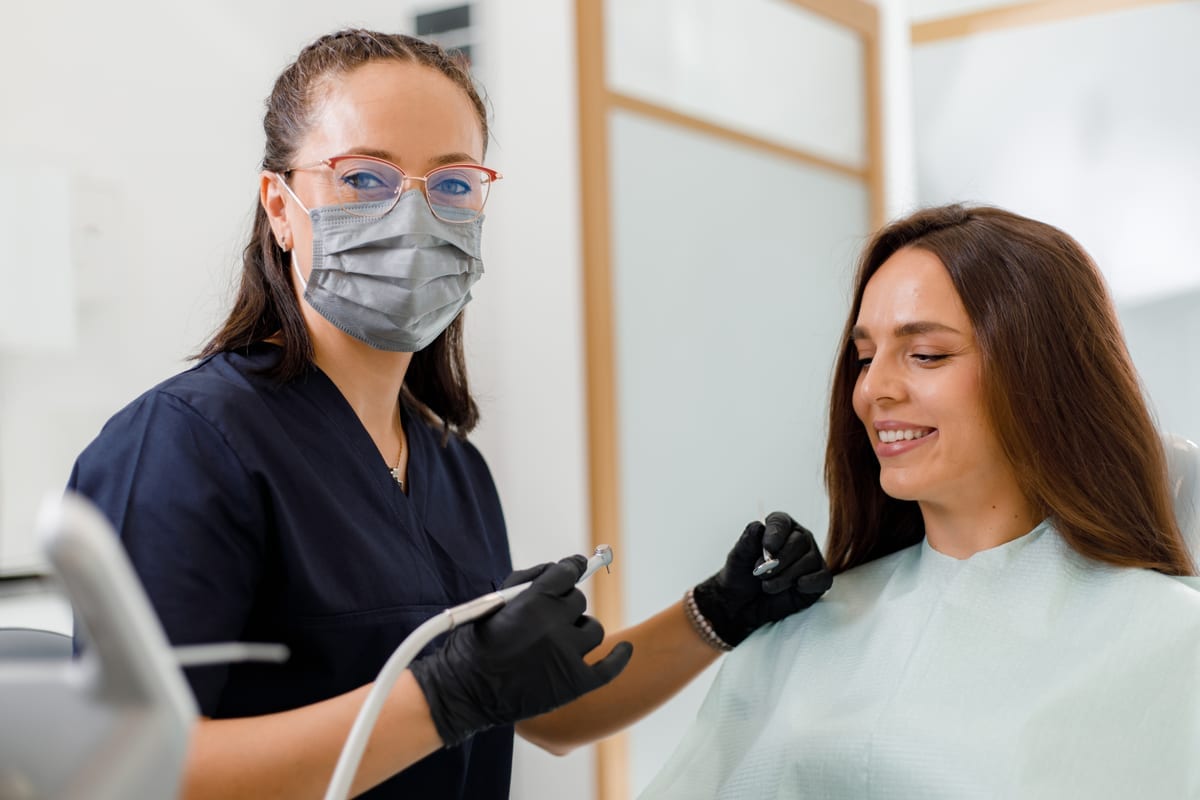
Our team at Root Dental takes sensitivity seriously. Before we begin any cleaning, our hygienist will ask you about any areas of concern. This simple conversation helps us customize the cleaning to your specific comfort level.
We use several practical techniques to keep discomfort minimal. For patients with high sensitivity, we can apply a topical desensitizing gel directly to the affected areas before scaling begins. This helps numb the surface and makes the process far more comfortable.
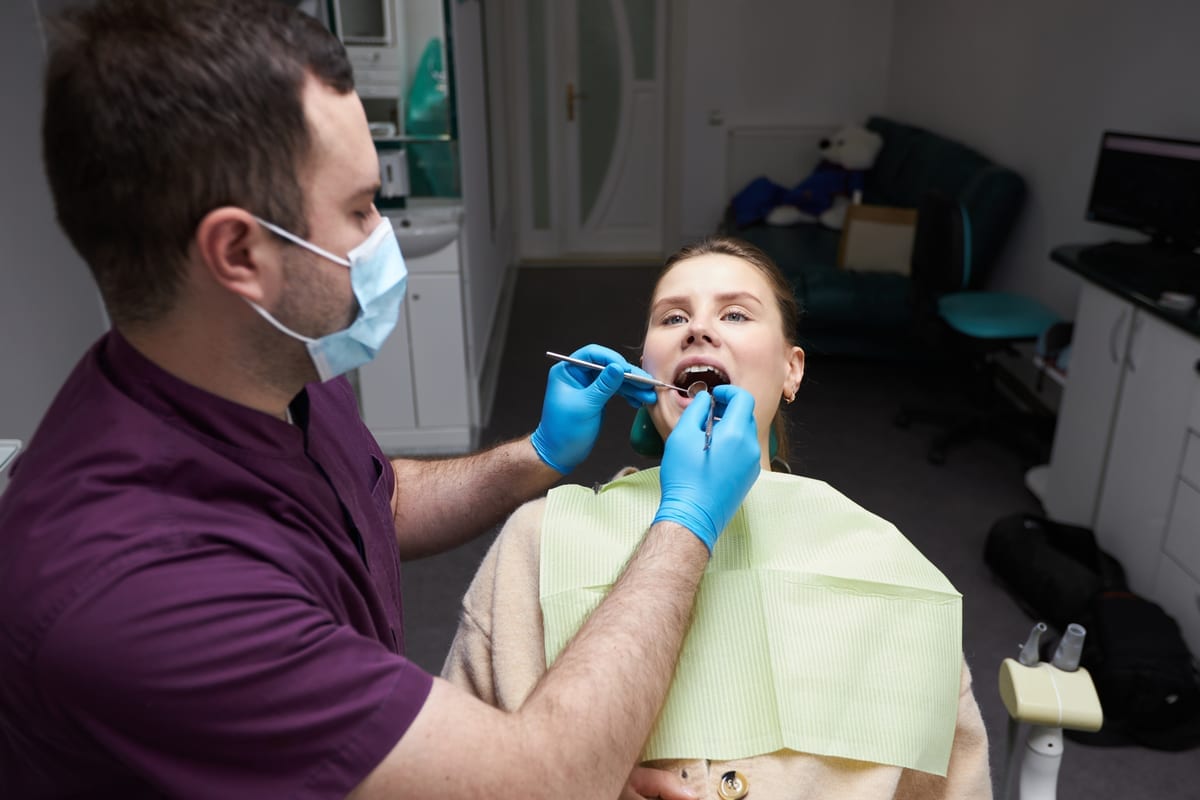
We also adjust our instruments based on your needs. Ultrasonic scalers use gentle vibration and water to break up tartar, which many sensitive patients actually find more comfortable than traditional hand tools. Our hygienist will let you know which approach makes the most sense for you.
- Pre-cleaning sensitivity assessment
- Topical numbing gels applied to sensitive spots
- Choice of ultrasonic or hand-scaling tools
- Frequent breaks to let you breathe and relax
- Warm water rinses to soothe the gumline
The Connection Between Gum Health and Sensitivity During Cleanings
Gum disease is one of the most overlooked reasons patients experience sensitivity at the dentist. Inflamed or infected gum tissue is far more sensitive than healthy gum tissue. If our hygienist notices early signs of gum disease, she’ll address it carefully during your appointment.
Left untreated, gum disease can lead to deeper pockets between teeth and gums. Cleaning these deeper pockets requires more precise work, which can feel more intense. Patients who attend regular six-month cleanings typically experience much less discomfort because buildup never reaches that severe stage.
Dr. Grothe also monitors any cosmetic concerns that may intersect with gum health. For patients curious about smile improvements like Cosmetic Dentistry Algonquin, healthy gums are actually the essential foundation. You can’t build a beautiful smile on an unhealthy base.
How to Reduce Sensitivity Before and After Your Cleaning
There are practical steps you can take at home to make your next cleaning more comfortable. Using a sensitivity toothpaste in the weeks leading up to your appointment can help significantly. These toothpastes work by blocking the tiny tubules in exposed dentin that transmit pain signals.
Staying well-hydrated and avoiding highly acidic foods in the 24 hours before your appointment also helps. Acidic beverages temporarily weaken enamel, which can make the cleaning feel more intense. A small adjustment in your routine can make a noticeable difference.
After your cleaning, stick to lukewarm foods and drinks for a few hours. Avoid extreme temperatures—very hot coffee or ice-cold water can trigger a sensitivity response in freshly cleaned teeth. Any lingering discomfort should ease within 24 to 48 hours after your appointment.
When Sensitivity During Cleaning Points to Something More
Occasional sensitivity during a cleaning is normal. However, sharp or persistent pain can sometimes signal a deeper issue. Cracked teeth, deep cavities, or an exposed nerve may require additional treatment beyond a standard cleaning.
Dr. Grothe will always review your X-rays and do a thorough exam. If she identifies a tooth that needs extra attention—such as a crown or even root canal treatment—she’ll walk you through the options clearly and calmly. You’ll never be rushed into a decision.
Patients who have been considering cosmetic improvements like Veneers Algonquin should know that resolving sensitivity issues first is always the right first step. Veneers work best on teeth that are structurally sound and healthy.
Our Commitment to Comfortable Cleanings at Root Dental
At Root Dental in Algonquin, we believe every patient deserves a cleaning experience that feels manageable. Dr. Grothe and our hygiene team genuinely care about your comfort—not just your oral health numbers. We take the time to listen, adjust, and explain every step of the process.
If anxiety or past bad experiences have kept you away from the dentist, we want to change that. Our office is built around creating a calm, judgment-free environment. You can always signal us to pause, ask questions, or request adjustments mid-appointment.
Regular cleanings are one of the most powerful tools you have for long-term dental health. Skipping them because of sensitivity concerns only leads to bigger problems down the road. Let us help you build a routine that actually works for you. Book Now to schedule your appointment with our team.
Frequently Asked Questions
Is it normal for teeth to hurt during a dental cleaning?
Yes, mild sensitivity during a cleaning is very common. It often results from tartar removal, exposed dentin, or minor gum inflammation. The discomfort is temporary and usually resolves within a day or two after the appointment.
What can I do if sensitivity makes me avoid the dentist?
Talk to our team before your appointment. Dr. Grothe and our hygienists can apply topical numbing gels, adjust their technique, and take breaks as needed. We want your cleaning to feel as comfortable as possible so you keep coming back.
Can sensitivity during cleanings indicate gum disease?
It can. Inflamed or infected gum tissue is more sensitive than healthy tissue. If our hygienist notices signs of gum disease during your visit, she will address it carefully and may recommend a follow-up treatment plan.
How long does sensitivity last after a professional cleaning?
Most patients notice sensitivity for 24 to 48 hours after a cleaning. Avoiding extreme temperatures and very acidic foods during this window helps. If sensitivity persists beyond two days, contact Root Dental for a follow-up evaluation.
Does using sensitivity toothpaste before my appointment actually help?
Yes, it can make a real difference. Sensitivity toothpastes contain compounds like potassium nitrate or stannous fluoride that block pain-transmitting tubules in the dentin. Using one consistently for two to four weeks before your appointment can noticeably reduce discomfort during the cleaning.