1 N Main Street, Suite A, Algonquin, IL 60102

Why Do My Teeth Feel Sensitive During Cleaning and What We Do About It

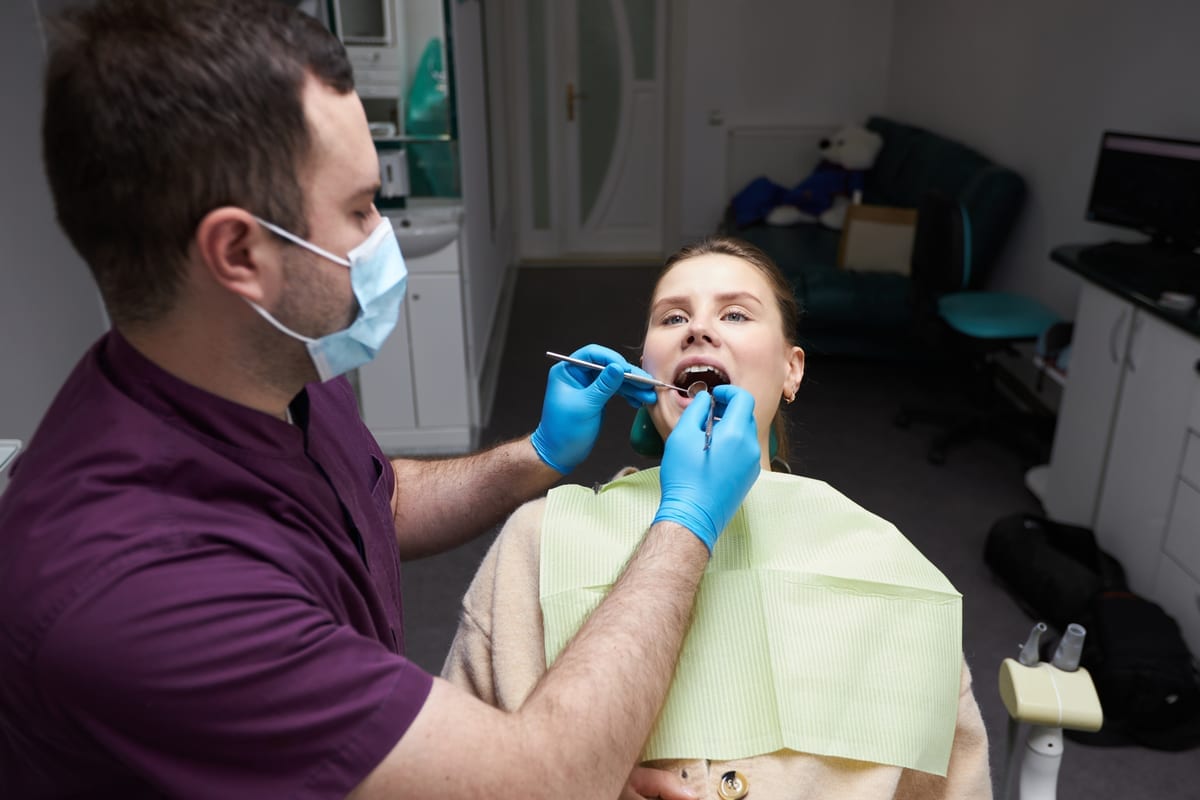
If you’ve ever winced during a dental cleaning, you’re not alone. Many patients at Root Dental in Algonquin ask why do my teeth feel sensitive during cleaning and what we do about it. It’s a great question — and one worth answering honestly. Sensitivity during cleanings is common, manageable, and something our team takes seriously every single visit.
Why Teeth Feel Sensitive During a Dental Cleaning
Tooth sensitivity during a cleaning usually comes down to a few key factors. The most common cause is exposed dentin — the layer beneath your enamel. When enamel wears down or gums recede, dentin becomes vulnerable to pressure and temperature.
Another common culprit is gum inflammation. If your gums are even mildly irritated, the cleaning instruments can cause discomfort near the gumline. This doesn’t mean something is wrong — it often means your gums need a little extra care.
Patients with active gum disease may notice even more sensitivity. The tissue becomes inflamed and tender, reacting to even gentle contact. Our hygienists are trained to recognize this and adjust their approach immediately.
Here are the most frequent reasons for cleaning sensitivity:
- Enamel erosion from acidic foods or drinks
- Gum recession exposing tooth roots
- Gingivitis or early-stage gum disease
- Naturally sensitive teeth or thin enamel
- Tartar buildup that traps bacteria near the gumline
What Our Hygienists Do to Minimize Sensitivity in Algonquin
At Root Dental, we don’t ignore sensitivity — we work around it. Our hygienists use a gentle, patient-centered approach for every cleaning. If you mention sensitivity before we start, we can plan accordingly.
One option is topical desensitizing gel. We apply it to sensitive areas before using instruments. This numbs the surface just enough to make the process more comfortable without affecting your entire mouth.
We also use ultrasonic scalers carefully. These devices use water and vibration instead of scraping. For many sensitive patients, this method feels gentler than traditional hand scaling.
Our team also adjusts water temperature during rinsing. Cold water can trigger sharp sensitivity in exposed roots. We use warm water rinses to keep you more comfortable throughout the appointment.
Here’s what our hygienists may do during your visit to reduce discomfort:
- Apply desensitizing gel before scaling begins
- Use lighter pressure around sensitive or receded gumlines
- Switch between ultrasonic and hand instruments as needed
- Take short breaks if sensitivity becomes noticeable
- Use warm water instead of cold for rinsing
The Connection Between Gum Health and Sensitivity
Healthy gums make cleanings far more comfortable. When gums are inflamed, they bleed and hurt more easily. That’s why staying consistent with your cleaning schedule actually reduces sensitivity over time.
Patients who skip cleanings often experience more discomfort when they return. Tartar builds up, gums become more inflamed, and the cleaning takes longer. Regular visits every six months prevent that cycle.
If your gums bleed during cleanings, that’s a sign they need attention — not a reason to avoid the dentist. Our team can evaluate whether you may benefit from periodontal care or a deeper cleaning to restore gum health.
Treating gum issues early also protects your smile cosmetically. Healthy gums provide the right foundation if you’re ever interested in Cosmetic Dentistry Algonquin services like whitening or veneers. You need strong, healthy tissue before pursuing aesthetic improvements.
How to Reduce Sensitivity Before and After Your Cleaning
There are things you can do at home to make your cleaning more comfortable. Starting a sensitivity toothpaste two weeks before your appointment can help significantly. These toothpastes block the tiny tubules in dentin that transmit pain signals.
Staying hydrated also matters. Dry mouth increases sensitivity and makes gum tissue more fragile. Drinking water throughout the day keeps your oral environment healthier.
After your cleaning, avoid very hot or cold foods for a few hours. Your teeth may feel slightly more reactive immediately following the appointment. This is completely normal and typically fades within 24 hours.
If you’re considering cosmetic improvements like Veneers Algonquin, managing sensitivity beforehand is an important first step. Dr. Maggie Grothe will assess your overall tooth and gum health before recommending any cosmetic procedure.
When Sensitivity During Cleanings Signals Something More
Sometimes sensitivity is a signal worth investigating further. If your discomfort is severe or localized to one tooth, that tooth may need attention beyond a routine cleaning. A cracked tooth, deep cavity, or exposed root can all cause sharp pain during scaling.
Dr. Grothe and our hygienists communicate closely throughout your visit. If something doesn’t feel right, we stop and take a look. We never push through pain without checking what’s causing it.
Persistent sensitivity between cleanings is also worth mentioning. It may indicate enamel erosion, bruxism (teeth grinding), or early signs of decay. Catching these issues early leads to simpler, less invasive treatment.
Our goal at Root Dental is to make every visit as comfortable as possible. We understand that dental anxiety is real — especially for patients who’ve had painful experiences before. We listen, we adjust, and we move at your pace.
Frequently Asked Questions
Is it normal for teeth to hurt during a professional cleaning?
Yes, mild sensitivity during a cleaning is very common. It’s often caused by exposed dentin, gum inflammation, or tartar buildup near the gumline. Most patients find that regular cleanings reduce sensitivity over time as gum health improves.
What can I do to make my dental cleaning less painful?
Start using a desensitizing toothpaste about two weeks before your appointment. Let your hygienist know about your sensitivity before the cleaning begins. They can apply a topical gel and adjust their technique to keep you more comfortable.
Why do my gums bleed when the hygienist cleans my teeth?
Bleeding gums during a cleaning usually indicate inflammation, often from gingivitis or early gum disease. Inflamed tissue bleeds more easily when touched. Consistent cleanings and good at-home brushing typically reduce bleeding over several months.
Can sensitive teeth affect whether I can get veneers or whitening?
Sensitivity can influence the timing of cosmetic treatments. Dr. Grothe evaluates your gum health and enamel condition before recommending any cosmetic procedure. Addressing sensitivity first leads to better and longer-lasting cosmetic results.
How often should I get a cleaning if my teeth are sensitive?
Most patients benefit from cleanings every six months. If you have gum disease or significant sensitivity, Dr. Grothe may recommend more frequent visits — sometimes every three to four months. More regular cleanings help reduce inflammation and improve comfort over time.
At Root Dental in Algonquin, Dr. Maggie Grothe and our hygiene team are committed to making every cleaning gentle, thorough, and stress-free. Sensitivity is never something you have to just endure. We have the tools and techniques to help. Book Now to schedule your appointment with our team.