1 N Main Street, Suite A, Algonquin, IL 60102

Can a “Loose” Implant Crown Be Fixed?

A loose dental crown can be an unsettling experience, especially when it’s part of your dental implant. If you’ve ever felt your crown wobble or noticed it coming loose, you’re probably wondering if it can be fixed, and what happens next. Dental implants and crowns are meant to last for many years, providing patients with a reliable, long-lasting solution for missing or damaged teeth. But like all dental work, they aren’t immune to issues over time.
In this blog, we’ll explore whether a loose implant crown can be fixed, what causes this problem, and how you can address it effectively.
What Causes a Loose Implant Crown?
Implant Crown Overview
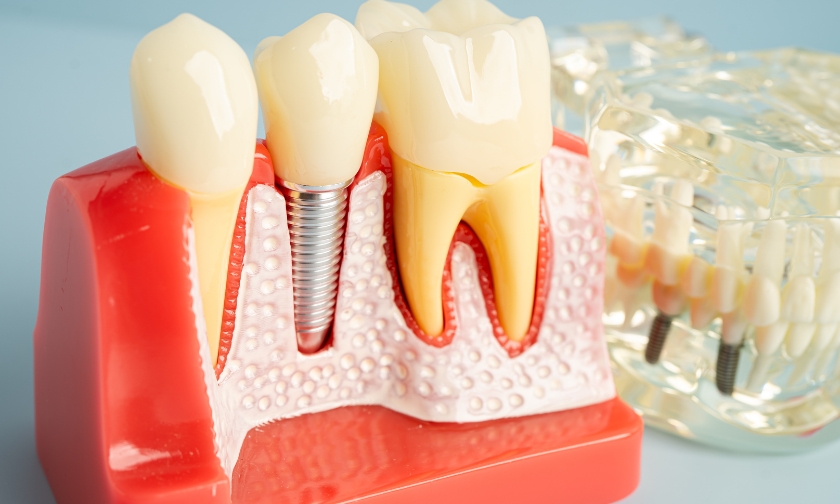
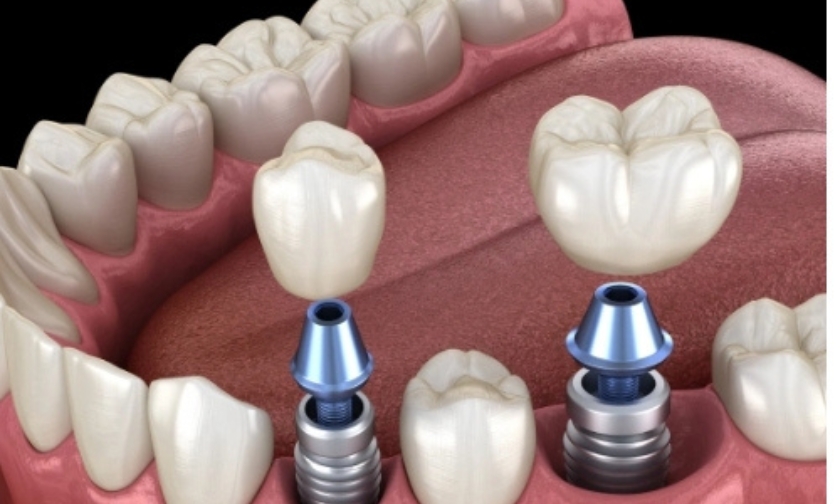
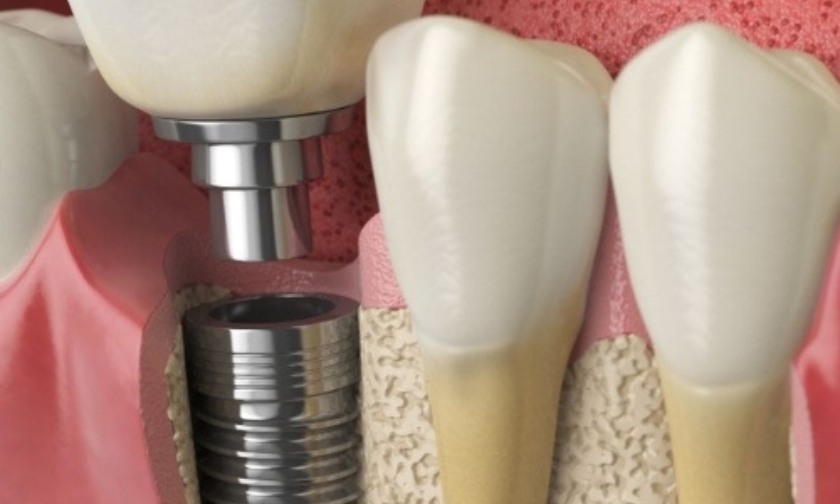
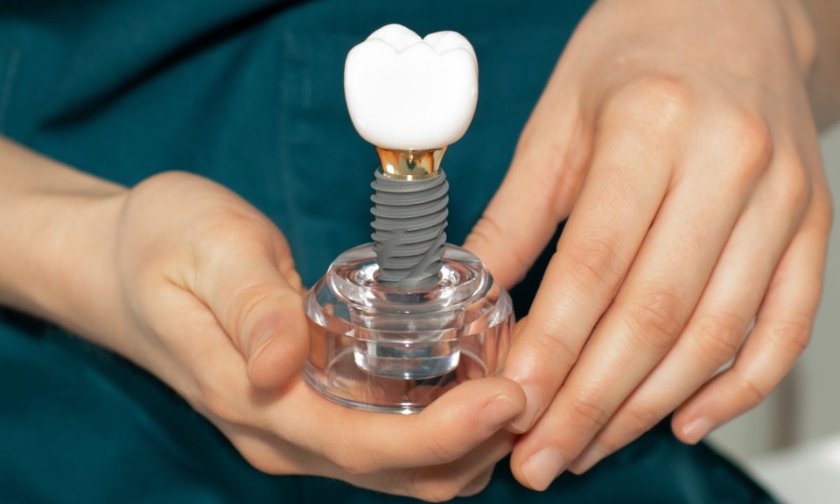
Dental implants are an excellent solution for replacing missing teeth. They consist of two main components: the titanium post, which is surgically embedded into the jawbone, and the crown, which sits on top to resemble a natural tooth. This combination restores both function and aesthetics.
Over time, however, a dental crown may become loose due to various factors, affecting the stability of the implant.
Reasons for Loosening
Several factors can contribute to a loose implant crown:
- Poor Fit: If the crown is not properly fitted when first placed, it can become loose over time. This can occur if the dental professional didn’t ensure a snug and precise fit during the procedure.
- Gum Issues: Gum recession or infection can weaken the support around the implant, causing the crown to loosen. Healthy gums are crucial for holding the implant in place.
- Cement Failure: The adhesive used to bond the crown to the implant post can wear out or break down. Over time, this can lead to a loose crown, especially if it wasn’t properly bonded during the initial placement.
- Damage to the Implant: The underlying implant may become damaged due to trauma or poor oral care. A fractured or weakened implant post can result in instability for the crown.
Signs of a Loose Crown
Identifying a loose implant crown early on can prevent further complications. Some common signs to watch for include:
- Movement: You may notice the crown feels wobbly or shifts when you bite or chew.
- Pain or Sensitivity: If the crown becomes loose, it can expose the underlying tooth or implant, causing discomfort or sensitivity to temperature.
- Difficulty Chewing: A loose crown can make chewing difficult or uncomfortable, as it may not be securely in place.
- Visible Gaps: If you notice a visible gap between the crown and the gum, it’s a sign that the crown might be loosening.
If you notice any of these signs, it’s essential to see a dentist promptly to avoid further damage.
Can a Loose Implant Crown Be Fixed?
A loose implant crown can be a frustrating and concerning issue, but the good news is that, in most cases, it can be fixed. Whether it needs simple reattachment or a complete replacement, a skilled dentist can determine the right solution based on the cause of the problem.
Here’s a detailed look at the options available for fixing a loose implant crown.
Repair vs. Replacement
When a dental crown becomes loose, the first question is whether it can be repaired or if it needs to be replaced entirely. The answer largely depends on the condition of the crown, the implant, and the surrounding tissues.
- Repair: If the crown has come loose due to bonding material failure or if it’s slightly dislodged, your dentist might be able to reattach it without needing a full replacement. This is a common scenario when the underlying implant and crown are still in good condition. The dentist will clean both the crown and the implant post, apply a new bonding agent, and carefully place the crown back into position.
- Replacement: In cases where the crown has been damaged, cracked, or the implant has suffered from issues such as infection or bone loss, a replacement may be necessary. A replacement is also likely if the crown doesn’t fit well due to wear and tear or if the cement has failed and the crown can no longer be securely reattached. In some cases, the implant itself may need to be replaced if the damage is extensive.
Steps Involved in Fixing a Loose Implant Crown
The process of fixing a loose implant crown depends on whether it’s a simple repair or requires a replacement. Below are the steps your dentist will likely take for each situation:
- Examination and Assessment: The dentist will start by thoroughly examining the crown, the underlying implant, and the surrounding tissues. X-rays may be taken to assess the health of the implant and bone structure.
- Cleaning: If the crown is to be reattached, the dentist will clean both the crown and the implant post to remove any old cement, debris, or plaque. This ensures that the new adhesive will bond securely.
- Reattaching the Crown: For a simple repair, once the crown and post are cleaned, the dentist will apply a strong dental adhesive or cement and place the crown back onto the dental implants in Algonquin. The dentist will ensure that the crown is properly aligned and seated correctly.
- Creating a New Crown: If a new crown is required, the dentist will take impressions of your teeth or use 3D scanning technology to create a model for the new crown. The new crown will be customized to match your natural tooth color and size for a seamless look and feel. After the new crown is ready, it will be placed on the implant post, and any necessary adjustments will be made.
- Final Adjustments and Testing: Whether the crown is reattached or replaced, the dentist will carefully check for proper fit and bite. The dentist may ask you to bite down gently to make sure the crown feels comfortable and functions correctly when chewing.
Potential Complications
While most loose implant crowns can be fixed, some complications may arise during the repair or replacement process. These may include:
- Implant Damage: If the underlying dental implant is damaged or has become loose itself, it may need to be replaced. This could involve more extensive surgery to remove the old implant and place a new one. If the bone around the implant has deteriorated, bone grafting may be necessary before a new implant can be placed.
- Infection: A loose crown can leave the implant exposed to bacteria, leading to infection in the gums or surrounding tissue. If an infection is present, it must be treated before any repair or replacement can occur. This may involve antibiotics or additional procedures to ensure the implant is safe to reattach.
- Alignment Issues: In some cases, a loose crown might indicate an alignment issue with the implant or surrounding teeth. If the implant was not placed correctly in the first place, further adjustments may be needed, which could prolong the treatment process.
- Cost and Time: Reattaching a crown is a relatively quick procedure, but if replacement or additional treatments are required, the process could take longer and may come with added costs. Some patients may need to wear a temporary crown while waiting for a new one to be created.
- Gum Recession: Over time, gum recession can affect the stability of a dental implant. If your gums have receded significantly, it could make securing the crown more difficult. In such cases, gum grafting or other procedures may be required to restore gum health and support the crown.
When Should You Visit a Dentist for a Loose Implant Crown?
Importance of Prompt Action
Addressing a loose crown early is crucial to prevent complications. A loose crown can expose the underlying implant or tooth, increasing the risk of infection. If left untreated, it could also lead to further damage to the implant or surrounding bone structure. Prompt treatment will help preserve the integrity of your dental restoration and minimize any discomfort or further issues.
What to Expect During a Visit
When you visit a dentist for a loose implant crown, they will:
- Perform a visual inspection of the crown and implant.
- Take X-rays if necessary to evaluate the condition of the underlying implant and surrounding bone.
- Recommend the best course of action, whether that’s simply reattaching the crown, replacing it, or treating an infection.
If you’re experiencing discomfort, it’s important to mention any symptoms to help your dentist identify the underlying cause more accurately.
How to Prevent a Loose Implant Crown in the Future
Proper Care
Maintaining good oral hygiene is essential for the longevity of your implant crown. Brushing twice a day, flossing, and using mouthwash can help prevent gum disease and plaque buildup, both of which can affect the stability of your crown.
Regular Checkups
Regular dental checkups are vital to ensure that your dental implants in Algonquin remain secure. Your dentist will examine your crown and gums during routine visits to catch any potential issues early on.
Avoiding Damage
Avoid habits that can damage your implant crown, such as teeth grinding or biting down on hard objects like ice or pens. Wearing a mouthguard at night can protect your crown from grinding.
In summary, a loose implant crown can often be fixed, but the solution depends on the cause. Whether it involves reattaching the crown, replacing it, or addressing underlying issues with the implant, your dentist will guide you through the process.
If you suspect your implant crown is loose or if you’re experiencing discomfort, don’t wait. Book an appointment with Root Dental to get your smile back to its full, healthy state. Let our qualified team in Algonquin help you maintain a secure, long-lasting dental restoration.
People Also Ask
How long does it take to fix a loose implant crown?
It typically takes one visit to your dentist for a simple reattachment. If replacement is needed, it may take a few days to create a new crown.
Is a loose crown a dental emergency?
While not always an emergency, it’s important to address a loose crown promptly to prevent further damage or infection.
Can I still eat with a loose implant crown?
It’s best to avoid chewing on the side with the loose crown to prevent further loosening or damage.
Can a loose implant crown affect my overall oral health?
Yes, if left untreated, a loose crown can lead to gum infection, bone loss, or damage to the implant.
Will I need to replace the entire implant if the crown is loose?
Not necessarily. If the implant is intact and undamaged, the crown can often be reattached without replacing the entire implant.