1 N Main Street, Suite A, Algonquin, IL 60102

Can I Use an Electric Toothbrush on My New Dental Implant Restoration?

You finally completed your implant treatment. The discomfort is fading, your smile feels complete again, and now a new question pops up during your nightly routine: “Can I safely use my electric toothbrush around this new restoration?”
It is a common concern. Many people worry that the vibration or movement from an electric toothbrush could loosen or damage their restoration during healing. Others avoid brushing properly because they are afraid of irritating the area. At Root Dental, patients often ask these questions after receiving dental implants, especially those returning to normal routines after treatment.
The truth is that proper oral hygiene becomes even more important after implant restoration. Healthy gums and clean surrounding tissue help support long-term stability and appearance. This blog explains when it is safe to use an electric toothbrush, how to brush correctly during recovery, and what habits help protect your restored smile for years to come.
Understanding a Dental Implant Restoration
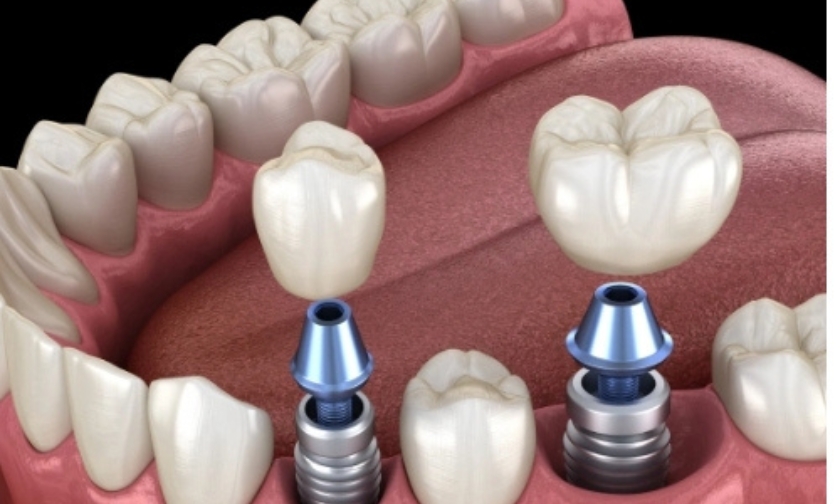
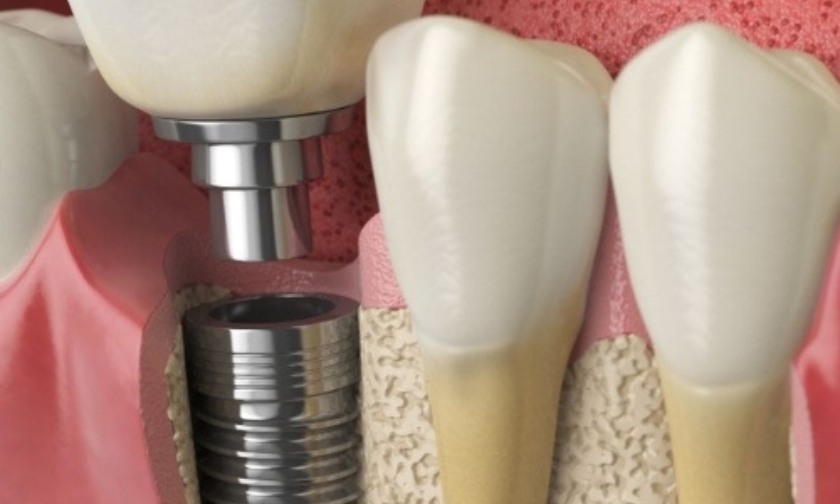
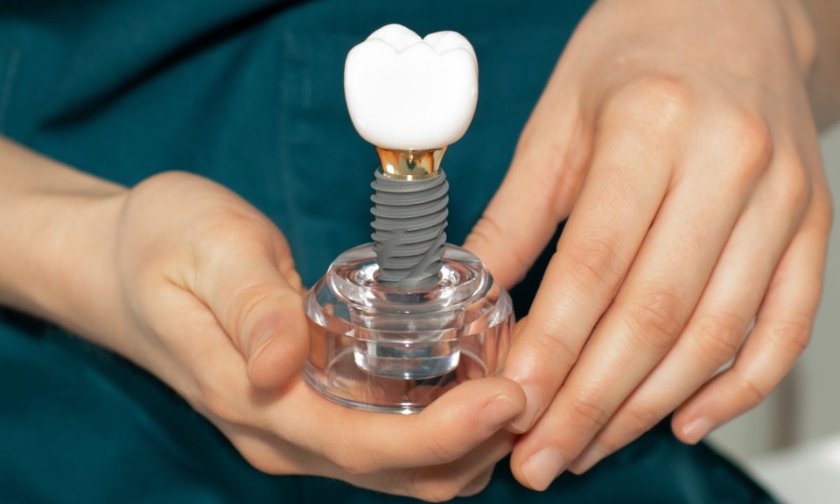
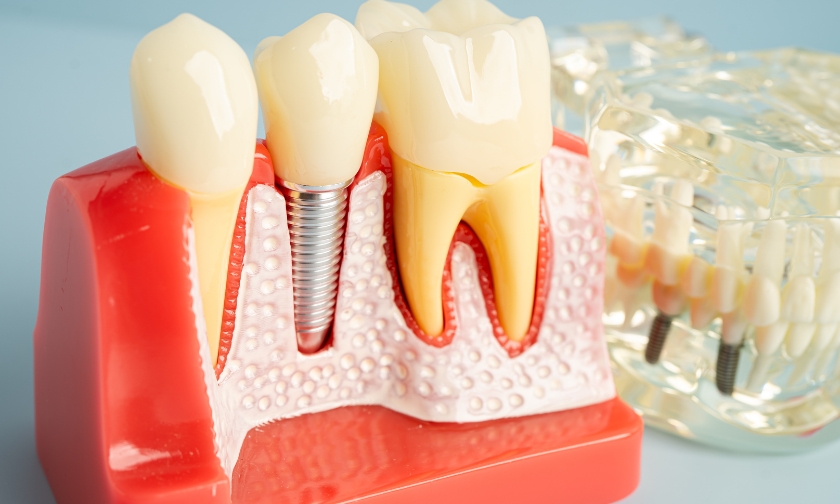
A dental implant restoration has three main parts working together to replace a missing tooth. The implant post acts like an artificial tooth root and is placed into the jawbone. Above that sits the abutment, which connects the implant to the visible restoration. Finally, the crown is the portion designed to look and function like a natural tooth.
Once healing is complete, the restoration feels remarkably similar to a natural tooth. You can chew, speak, and smile normally again. However, even though the dental implants in Algonquin itself cannot develop decay, the surrounding gum tissue and bone still require daily care.
This is where hygiene becomes critical. Plaque can still collect around the gumline surrounding implants. If bacteria remain trapped in those areas, inflammation may develop. Over time, this can lead to peri-implantitis, a condition that damages the gum and supporting bone around the implant.
In neighborhoods around Root Dental, many patients live active lifestyles filled with coffee stops, quick lunches, and busy schedules. Those daily habits can allow plaque buildup if oral hygiene slips. Consistent cleaning helps keep the surrounding tissue healthy and protects the investment made in restoring your smile.
Is It Safe to Use an Electric Toothbrush on a New Implant?
The short answer is yes. In most cases, electric toothbrushes are completely safe for implant restorations and are often recommended by oral health professionals. Many electric toothbrushes remove plaque more efficiently than manual brushing, especially around the gumline where bacteria tend to accumulate.
That said, timing matters.
Immediately after implant surgery, your mouth needs time to heal. During those early days, brushing directly over the surgical area with a powered brush may irritate sensitive tissue. Most patients are advised to use very gentle cleaning methods at first, sometimes avoiding the site entirely for a short period, depending on healing progress.
The timeline varies from person to person. Someone healing quickly after a straightforward procedure may resume normal brushing sooner than a patient who underwent grafting or more complex treatment. Following the instructions provided by your dental team is essential.
Using an electric toothbrush too aggressively during healing can create unnecessary irritation. Fast movements combined with heavy pressure may inflame tissue that is still recovering. This is why many professionals recommend waiting until the tissue stabilizes before using powered brushing directly around the area.
At Root Dental, patients are typically guided through each stage of healing so they know exactly when it is appropriate to return to normal oral hygiene habits. Once approved, electric toothbrushes often become a valuable part of maintaining implant health long-term.
Benefits of Using an Electric Toothbrush for Implant Care
One major advantage of electric toothbrushes is improved plaque removal. Oscillating and sonic technology helps break apart bacteria more efficiently than hurried manual brushing. This matters because plaque around the implant crown can irritate nearby tissue if not removed consistently.
Electric toothbrushes also make it easier to clean along the gumline. Tiny spaces between the gum and restoration can trap debris throughout the day. Powered brush heads help reach those difficult areas with less effort.
Another benefit is pressure control. Many newer models include sensors that alert you when brushing too hard. That feature can be especially useful for patients with dental implants in Algonquin because excessive pressure may irritate the surrounding tissue over time.
Timers are another overlooked advantage. Most people brush for far less than the recommended two minutes. Built-in timers encourage consistency and better overall cleaning habits.
For older adults or patients with arthritis or hand mobility limitations, electric toothbrushes can also make daily care significantly easier. Instead of relying on repetitive hand movements, the brush performs much of the cleaning action automatically.
In busy local communities where people often rush through morning routines before work or school drop-offs, these small improvements in consistency can make a noticeable difference in long-term oral health.
How to Safely Brush Around a New Implant Restoration
Choosing the right brush head matters. Soft bristles are always the safer option because they clean effectively without irritating delicate gum tissue. Hard bristles may seem stronger, but they can contribute to gum recession over time.
Gentle pressure is equally important. Many people think scrubbing harder means cleaning better. In reality, aggressive brushing can inflame the tissue surrounding the implant. Let the toothbrush do the work instead of forcing it against the gums.
Focus carefully on the gumline where plaque naturally gathers. Hold the brush at an angle and slowly guide it around the restoration rather than rushing through the area. Taking a few extra seconds here helps reduce bacterial buildup significantly.
Consistency matters more than intensity. Brushing twice daily for a full two minutes provides far better protection than aggressive brushing once a day. Patients who maintain regular habits usually experience healthier tissue around their restorations long term.
Brush heads should also be replaced regularly. Worn bristles lose effectiveness and may spread bacteria rather than remove them properly. Most manufacturers recommend replacement every three months or sooner if the bristles appear frayed.
At Root Dental, patients are often reminded that implants succeed long-term because of steady daily maintenance, not occasional deep cleaning sessions after problems appear.
Common Mistakes That Can Harm Implant Health
One of the biggest mistakes patients make is brushing too aggressively. Excessive pressure can irritate gum tissue and contribute to recession around the restoration.
Using hard bristles is another common issue. While they may feel powerful, firm bristles can damage soft tissue over time.
Some patients also rely only on brushing while skipping flossing or interdental cleaning. Plaque often collects between teeth and around implant restorations where brushes cannot fully reach.
Skipping routine dental visits is equally risky. Professional evaluations help detect inflammation, looseness, or gum changes before they become serious complications.
Warning Signs You Should Not Ignore
Some mild tenderness during healing is normal. Persistent swelling, bleeding, or discomfort is not.
A bad taste or odor near the implant area may indicate bacterial buildup or infection. Likewise, any sensation that the crown feels loose should be evaluated immediately.
Healthy implant restorations should feel stable and comfortable during normal daily function. If something suddenly feels different, it is best to schedule an evaluation promptly rather than waiting for symptoms to worsen.
Building a Long-Term Routine That Protects Your Restoration
Long-term success depends on consistent habits. Brush twice daily using non-abrasive toothpaste, clean carefully between teeth, and attend regular professional maintenance visits.
Lifestyle choices also matter. Smoking can interfere with gum health and healing, while untreated teeth grinding may place excessive pressure on restorations during sleep.
Balanced nutrition, hydration, and preventive care all contribute to healthier tissue around implants over time.
Electric toothbrushes are usually a safe and effective tool for maintaining implant restorations when used properly. The key is timing, technique, and consistency. Gentle brushing, soft bristles, and regular professional evaluations help protect the surrounding gum and bone that support your restoration.
A restored smile is not something you simply forget about after treatment ends. It requires daily attention and smart long-term habits to stay healthy and stable.
If you recently completed implant treatment and have questions about caring for your restoration, the team at Root Dental can help you build a hygiene routine that protects your smile for years to come.
What People Want to Know
How soon can I brush near my implant after surgery?
The timeline varies depending on healing. Many patients begin gentle cleaning within days, but powered brushing may need to wait slightly longer.
Why is cleaning around implants so important?
Plaque can still collect around the gums and supporting bone. Poor hygiene may increase the risk of inflammation and implant complications.
Should I floss around an implant restoration?
Yes, flossing or interdental cleaning helps remove debris and bacteria from areas your toothbrush may not fully reach.
What signs could mean something is wrong with my implant?
Persistent swelling, bleeding, bad odor, discomfort, or a loose feeling around the crown should be evaluated by your dental provider.
How often should implant restorations be professionally checked?
Most patients benefit from routine professional cleanings and evaluations every six months unless a different schedule is recommended.