1 N Main Street, Suite A, Algonquin, IL 60102

Can Root Dental Restore a Dental Implant if I’ve Had Bone Loss?

Hearing that you have bone loss can feel discouraging, especially if you were hoping to restore your smile with long-term tooth replacement. Many people assume they are no longer candidates for treatment once jawbone deterioration begins. The truth is, that is not always the case. Modern dentistry has made it possible for many patients to rebuild support in the jaw and move forward with treatment successfully.
Bone loss and missing teeth often go hand in hand. Once a tooth is lost, the jawbone in that area can slowly shrink over time. Gum disease, injuries, and aging may also contribute to the problem.
At Root Dental, patients dealing with these concerns still have options. With careful planning, advanced imaging, and restorative procedures, many people can still receive stable, lasting results with dental implants. This guide explains how bone loss affects treatment and what can be done to restore function, comfort, and confidence.
What Is Bone Loss and Why Does It Affect Dental Implants?
Bone loss occurs when the jawbone begins to weaken or shrink. Your jaw needs regular stimulation from natural tooth roots to stay healthy and strong. When a tooth is missing, the bone in that area no longer receives pressure from chewing, causing it to deteriorate gradually. This process can begin within months after tooth loss.
Several oral health issues can speed up bone loss. Gum disease is one of the most common causes because infection damages the tissues and bone supporting the teeth. Tooth extractions can also leave empty spaces where the bone slowly recedes over time. Some people experience bone reduction due to trauma, smoking, uncontrolled diabetes, or natural aging.
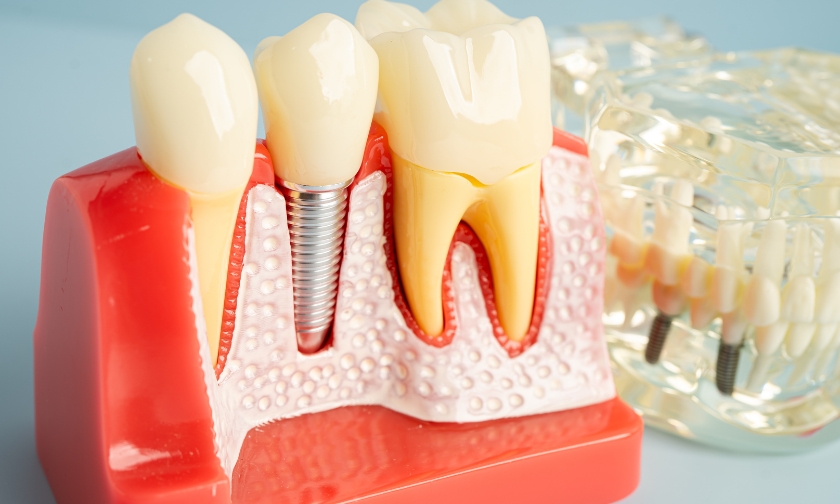
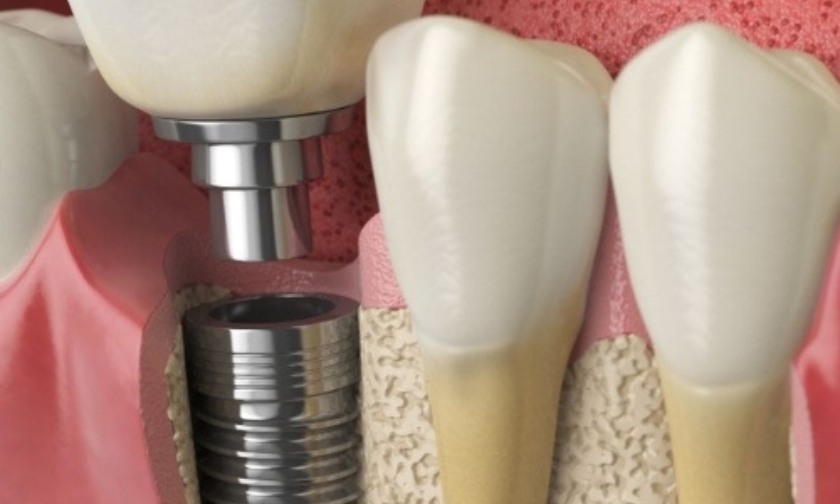
This matters because the jawbone acts as the foundation for dental implants in Algonquin. The implant post needs enough healthy bone to stay secure. If the bone is too thin or weak, the implant may not bond properly with the jaw. Without enough support, long-term stability becomes difficult.
Patients across local communities often delay treatment after losing a tooth, especially when life gets busy between work, commuting, and family responsibilities. Over time, the jawbone can continue shrinking, making future restoration more complex. That is why early evaluation is important.
The good news is that bone loss does not automatically prevent treatment. Today’s restorative techniques allow many patients to rebuild lost bone and create a stronger foundation before implant placement. With the right approach, even patients who were previously told they were not candidates may still qualify for care.
Can a Dental Implant Still Be Restored After Bone Loss?
Yes, in many cases, a dental implant can still be restored even after bone loss has occurred. The key is determining how much healthy bone remains and whether additional procedures are needed to strengthen the area.
One of the most common solutions is bone grafting. This procedure adds bone material to areas where the jaw has weakened or shrunk. Over time, the body integrates the graft with natural bone tissue, creating better support for future restoration. Bone grafting is widely used and has helped many patients rebuild areas once considered unsuitable for treatment.
Some patients may need additional procedures depending on where the bone loss occurred. A sinus lift may be recommended for the upper jaw when the sinus cavity sits too close to the implant area. Ridge augmentation can help rebuild the natural shape and width of the jawbone after severe deterioration.
Advanced treatment planning has changed the way restorative dentistry handles complex cases. Instead of viewing bone loss as a permanent limitation, modern practices focus on rebuilding support strategically. Every case is different, which is why a detailed examination matters.
At Root Dental, patients receive a thorough evaluation to determine the most effective path forward. Factors like bone density, gum health, overall wellness, and treatment goals all play a role in planning. Many people are surprised to learn that even with significant bone loss, successful restoration may still be possible through the right combination of procedures and technology.
How Root Dental Helps Patients With Bone Loss and Implant Restoration
Root Dental takes a personalized approach to implant restoration because no two cases are alike. Patients dealing with bone loss often need more detailed planning, and the practice focuses on creating treatment strategies that fit each person’s oral health condition and long-term goals.
Technology plays an important role in this process. Advanced 3D imaging allows the team to evaluate bone structure with greater precision. Instead of relying on basic visuals alone, detailed scans help identify areas where bone support remains strong and where additional preparation may be needed. This leads to more accurate treatment planning and improved outcomes.
The practice also emphasizes patient comfort and education. Many people feel anxious after being told they may not qualify for restorative treatment. Root Dental helps patients understand what is happening inside the jaw and what options may still be available. Clear communication helps people feel more confident throughout the process.
Local patients often appreciate having access to modern restorative care close to home instead of traveling far for specialized treatment. Whether someone has recently lost a tooth or has been struggling with bone loss for years, the goal remains the same: restore stability, function, and confidence with a solution designed for long-term success.
What Happens During Implant Restoration After Bone Loss?
The process usually begins with a detailed consultation and examination. During this visit, the team evaluates the jawbone, gums, and overall oral health using digital imaging and clinical assessment.
If bone support is insufficient, preparatory procedures may be recommended first. Bone grafting is commonly performed to strengthen weakened areas. Healing after grafting may take several months because the jaw needs time to regenerate and stabilize before the placement of dental implants in Algonquin.
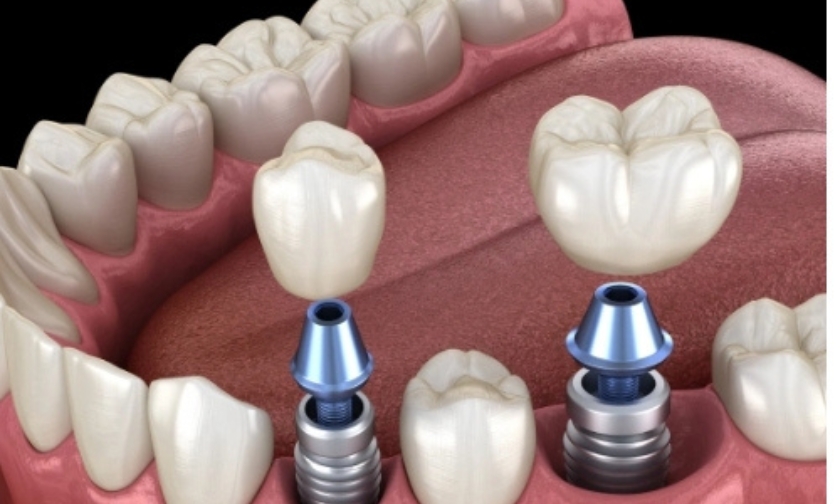
Once the area is ready, the implant post is placed carefully into the jawbone. The healing stage that follows is known as osseointegration. During this period, the implant bonds naturally with the bone, creating a stable foundation. Healing timelines vary, but many patients complete this phase within a few months.
After successful healing, the final restoration is attached. This custom restoration is designed to blend naturally with surrounding teeth while restoring daily function.
The overall timeline depends on the extent of bone loss and the type of preparatory treatment required. Some cases move faster than others, but careful planning improves long-term success.
What to Expect From Recovery and Long-Term Success
Implant restoration procedures involving bone loss have strong success rates when planned properly. Advances in imaging, surgical techniques, and restorative materials have improved predictability significantly over the years.
Recovery instructions usually include maintaining excellent oral hygiene, avoiding smoking, eating softer foods during healing, and attending follow-up visits. These steps help protect the healing bone and surrounding tissues.
Patients should also understand that maintenance matters after treatment is complete. Regular dental visits and cleanings help monitor the implant and the surrounding gums over time. Healthy habits at home also reduce the risk of future complications.
Many patients report that restoring missing teeth improves far more than appearance alone. Better chewing function, clearer speech, and increased confidence often make a major difference in everyday life.
Why Many Patients Trust Root Dental for Complex Implant Cases
Choosing the right dental team matters when bone loss is involved. Root Dental focuses on careful planning, modern technology, and patient-centered care to help people move forward confidently.
Patients appreciate having a practice that takes time to explain options clearly rather than rushing treatment decisions. The combination of advanced diagnostics, restorative experience, and personalized care helps create a smoother experience from consultation through recovery.
Many people who once believed they had run out of options discover that restoration may still be possible with the right guidance. That reassurance can make a meaningful difference during treatment planning.
Bone loss does not always mean you have to give up on restoring your smile. Modern restorative dentistry offers solutions that can rebuild support, improve stability, and help many patients move forward successfully. With proper evaluation and planning, treatment may still be possible even in more complex cases.
Root Dental works closely with patients to identify practical solutions based on their individual needs. If you have been told bone loss may affect your treatment options, now is the right time to get answers. Schedule a consultation with Root Dental and learn what steps may help restore your oral health, comfort, and confidence for the future.
Frequently Asked Questions
How long does bone graft healing take?
Healing time varies, but many patients need several months before the area is ready for restoration.
Can gum disease lead to bone loss?
Yes, untreated gum disease can damage the bone and tissues supporting the teeth over time.
How long do implant restorations usually last?
With proper care and regular dental visits, implant restorations can last for many years.
Is age a problem for implant restoration?
Age alone is not usually a barrier. Overall oral health and bone condition matter more.
When should I see a dentist after losing a tooth?
It is best to schedule an evaluation soon after tooth loss to reduce the risk of further bone deterioration.