1 N Main Street, Suite A, Algonquin, IL 60102

Why Do I Have a “Gap” between My Gum and My Implant Crown?

If you’ve recently received a dental implant and noticed a gap between your gum and implant crown, you’re not alone. This is a common concern for many patients, and it’s natural to wonder why it happens. Dental implants are designed to restore missing teeth, offering both functionality and aesthetics. However, various factors can cause a visible gap between the gum and the crown, leaving patients uncertain about the cause and how to fix it.
In this blog, we’ll explore why this gap may occur, the possible reasons behind it, and how you can address it effectively. Whether it’s part of the healing process or something that requires professional attention, understanding the cause of this issue is the first step toward a solution.
What Is a Dental Implant Crown?
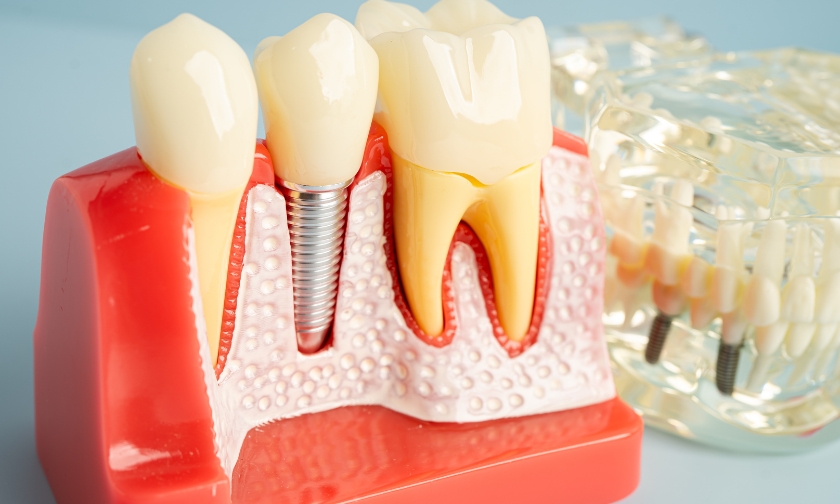
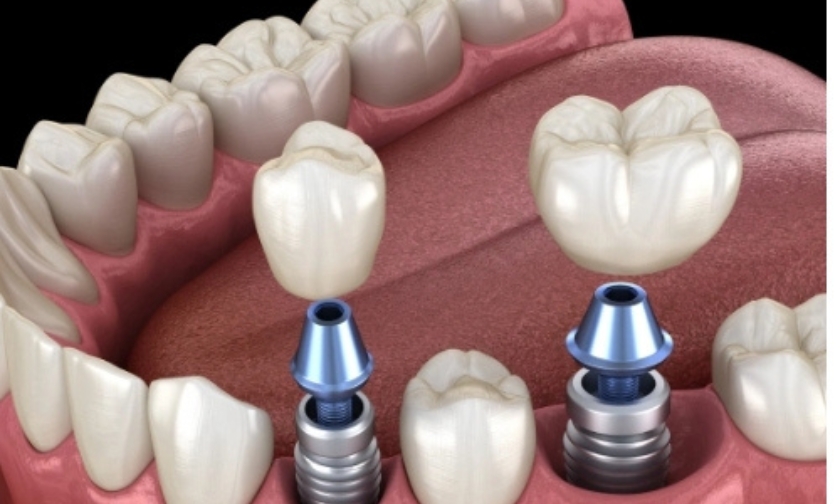
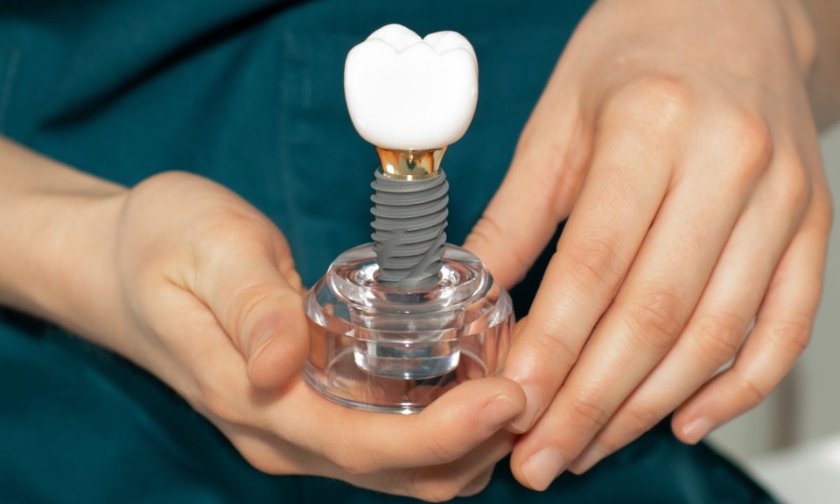
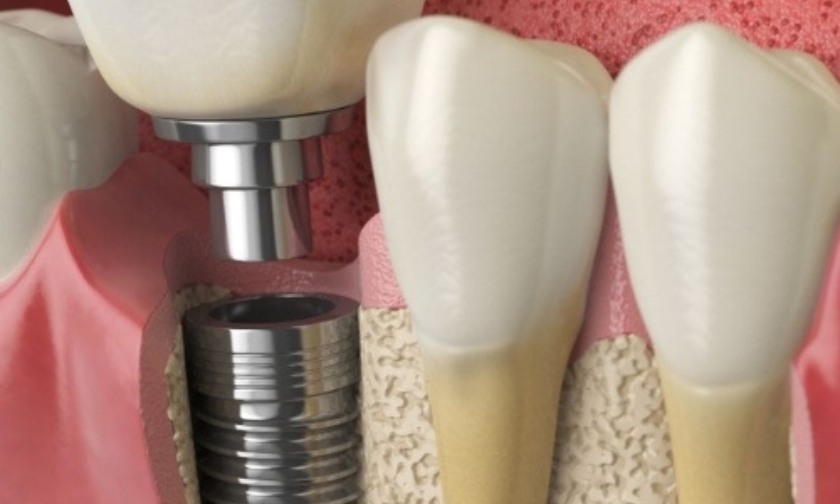
A dental implant crown is a restorative solution used to replace missing teeth. It is made up of three essential components: the implant post, the abutment, and the crown.
- The Implant Post: This is the metal post (typically made of titanium) that is surgically placed into the jawbone. The post acts as the root of the tooth, providing a strong foundation for the replacement tooth.
- The Abutment: After the implant post has successfully fused with the bone (a process known as osseointegration), the abutment is attached to the post. This piece connects the implant to the crown and helps position the replacement tooth correctly.
- The Crown: The crown is the visible part of the implant, designed to look and function like a natural tooth. It is typically made from porcelain or a porcelain composite material to ensure it matches the color and texture of your natural teeth.
Dental implants are an excellent option for people who want a permanent solution to replace missing teeth. They are known for their strength, durability, and ability to integrate with the jawbone, providing a stable foundation for chewing and speaking.
However, achieving the best results from your dental implants in Algonquin involves a seamless integration with the gum tissue, and sometimes, issues like gaps can arise, impacting the overall appearance and functionality of the implant.
Common Reasons for a Gap Between the Gum and Implant Crown
There are several reasons why you might notice a gap between your gum and implant crown. Let’s dive into some of the most common causes:
1. Implant Healing Process
When you first receive a dental implant, your gums and bone need time to heal and adjust around the new structure. In the initial stages, the tissue around the implant might not fully adhere to the gum, leaving a slight gap. This is completely normal and is part of the natural healing process.
Over time, the gum tissue should settle around the implant, closing any gaps.
2. Improper Crown Fit
In some cases, the crown itself might not fit properly, causing a visible gap between the gum and the implant. This can happen if the crown is too large, too small, or if the fit is not adjusted correctly.
A poorly fitted crown can create spaces that affect both the appearance and the function of the implant. The crown must fit snugly to the gum line to ensure optimal results.
3. Gum Recession
Gum recession is a condition where the gum tissue surrounding the teeth pulls away, creating spaces or gaps. This can happen due to several factors, such as aging, improper brushing techniques, gum disease, or even genetic predisposition.
If you already have gum recession before getting an implant, the gap may become more noticeable as the gum continues to recede over time.
4. Infection or Inflammation
Infection around the implant or the gum tissue can lead to swelling, discomfort, and gaps. Gum infections like peri-implantitis can cause inflammation and bone loss, which can create a visible gap between the gum and the implant crown.
This issue requires immediate attention from a dental professional to prevent further complications.
5. Bone Loss Around the Implant
Bone loss is another factor that can contribute to gaps around the implant crown. If the bone surrounding the implant does not properly support the post, the gum tissue may not have the necessary support to form a seal around the implant.
This can create a gap and may require additional procedures to restore bone volume, such as bone grafting.
How to Fix a Gap Between Your Gum and Implant Crown
If you notice a gap between your gum and implant crown, don’t panic. There are several steps you can take to address the issue:
1. Professional Evaluation
The first step is to schedule an appointment with your dentist for a professional evaluation. A dental professional will assess the gap, check for signs of infection, and determine the root cause of the issue. They will also assess the fit of the crown and determine whether further treatment is necessary.
2. Gum Grafting or Other Surgical Options
In some cases, gum grafting may be necessary to restore the gum tissue around the implant. Gum grafting involves taking tissue from another area of your mouth and transplanting it to the area around the implant to improve gum coverage. In more severe cases, other surgical options, such as bone grafting or soft tissue grafting, might be recommended to restore proper gum and bone support.
3. Crown Replacement or Adjustment
If the gap is due to an improper crown fit, your dentist may recommend replacing or adjusting the crown. A new crown will be carefully designed and fitted to ensure it sits correctly around the gum line, closing any gaps and restoring the natural appearance of your smile.
How to Prevent Gaps from Developing in the Future
Once you’ve addressed the current gap, there are steps you can take to prevent gaps from forming in the future:
Maintain Good Oral Hygiene
One of the most important things you can do is to maintain good oral hygiene. Brushing and flossing around the implant regularly will help prevent plaque buildup and reduce the risk of infection and gum recession. Using an antibacterial mouthwash can also help keep the area clean.
Regular Dental Check-Ups
Regular check-ups with your dentist are essential for monitoring the health of your implant and gum tissue. Your dentist will be able to detect any early signs of gum recession, infection, or other issues that could lead to gaps. Regular visits will ensure that your dental implants in Algonquin remain in good condition.
Healthy Lifestyle Choices
Lifestyle factors such as smoking, poor nutrition, and untreated gum disease can negatively impact the health of your gums and implants. Quitting smoking and eating a balanced diet rich in vitamins and minerals will help support your gum health and reduce the risk of gum recession.
A gap between your gum and implant crown can be concerning, but it’s not uncommon. Whether it’s part of the healing process, a result of gum recession, or a fitting issue, there are solutions available. Consulting with a dental professional is the first step in addressing the problem. Root Dental is here to ensure that your implants fit properly and that your gum health is maintained for years to come.
If you’re noticing a gap or have any concerns about your dental implants, schedule a consultation with Root Dental today. Let us help you restore your smile and maintain your oral health!
What People Ask
Is it normal to have a gap between my gum and the implant crown?
A slight gap during the initial healing phase is normal. However, if it persists, it’s best to consult with your dentist.
How long does it take for the gum to heal around an implant?
The gum usually takes a few months to fully heal around the implant, with noticeable changes in the first few weeks.
Is bone loss around the implant a reason for the gap?
Yes, bone loss can cause the gum tissue to pull away, creating a visible gap. Additional treatments may be needed to restore bone volume.
What should I do if I notice a gap after my implant procedure?
Schedule an appointment with your dentist to evaluate the situation and determine if the gap is temporary or requires treatment.
Can an infection cause a gap around my implant crown?
Yes, infections like peri-implantitis can lead to gum inflammation and bone loss, which may cause a gap around the implant. Prompt treatment is essential.